
Call us now :07971258299
 Send Inquiry
Triple Training Staircase hand rails
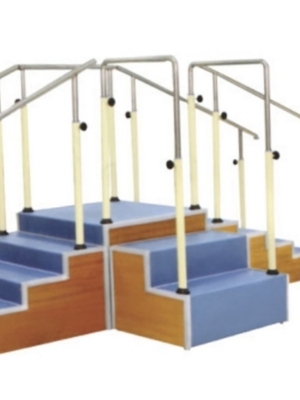

Triple Training Staircase hand rails Specification
- Function
- This type of equipment is used in physical therapy and rehabilitation centers to help patients improve their walking and standing ability.
- Condition
- Best
- Shape
- T - Shape
- Material
- Wood and steel
- Feature
- They are built for safety and stability, with a sturdy frame and non-slip surfaces on the steps. The handrails are designed to provide support and may be adjustable in height to accommodate both adults and children.
- Dimension (L*W*H)
- 337 cm x 82 cm x 134-160 cm Centimeter (cm)
- Wall Mounted
- The product in the image, which is a medical rehabilitation training stairs unit, is not wall-mounted. It is a freestanding piece of equipment.
- Warranty
- 1 year warranty
- Attributes
- The product shown in the image is a type of training staircase used for physiotherapy and rehabilitation. These stairs are designed to help patients improve balance, coordination, and mobility, and to regain strength after injuries or surgeries. Product attributes typically include:Materials: The stairs are often constructed from durable materials such as plywood or commercial board, with handrails made of steel or hardwood. Features: They are built for safety and stability, with a sturdy frame and non-slip surfaces on the steps. The handrails are designed to provide support and may be adjustable in height to accommodate both adults and children.
- Adhesive Type
- Based on the available information, the specific type of adhesive used for the rehabilitation stairs in the image is not mentioned. However, adhesives used for similar products, such as anti-slip stair treads and flooring, often include pressure-sensitive adhesives, epoxy adhesives, or specialized wood adhesives.
- Use
- The product shown is a rehabilitation staircase, also known as a training ladder or gait training stairs. It is a piece of medical equipment used in physical therapy and rehabilitation centers.Its primary uses include:Helping patients recover the ability to go up and down stairs. Improving walking and standing ability for patients in rehabilitation. Providing a safe environment for gait training with the support of handrails.
- Lighting Type
- The product shown in the image, which is a set of rehabilitation stairs, does not have any integrated lighting. The lighting visible in the image is ambient, likely from the environment where the photograph was taken. In a real-world setting, such as a hospital or rehabilitation center, various types of lighting might be used to improve visibility and safety for patients using this equipment. These can include:LED Step Lights: Small lights installed on or near the steps to illuminate the path and reduce the risk of falls. Rail Lighting: Lights installed along the handrails to highlight the path and provide a clear visual guide.
- Capacity
- 180 kg Kg
- Operating Type
- Manual
- Size
- 337 cm
- Set Contains
- The product set is a rehabilitation staircase or training stairs. It is a piece of physiotherapy equipment used for gait training and improving mobility.This type of equipment typically contains: Stairs: A series of steps, often with a platform at the top, to practice ascending and descending.Handrails: Adjustable handrails on both sides to provide support and stability during exercises.Platform: A flat surface at the top of the stairs for resting or performing exercises.
- Storage Instructions
- While specific storage instructions for the exact model of the rehabilitation stairs are not available, general recommendations for similar medical equipment suggest storing the product in a dry, moisture-free place. It is also advised to avoid extremely hot or cold environments that could potentially damage the components.
- Portable
- The training staircase shown in the image is not typically considered a portable product. While some physiotherapy training stairs can be designed to be lightweight or collapsible, the model pictured is a substantial piece of rehabilitation equipment.
- Operation Mode
- Mannual
- Application
- The product shown is a rehabilitation staircase, also known as a training ladder or training stairs, used in physiotherapy and medical rehabilitation.ApplicationRehabilitation: It is primarily used in rehabilitation centers and hospitals to help patients regain strength, balance, and mobility after injuries, surgeries, or neurological conditions. Gait Training: The equipment is used for gait training, which helps patients improve their walking and standing ability. Exercise: It is designed for stair-climbing exercises and other activities to enhance functional independence and coordination. Patients: The training stairs are suitable for both children and adults undergoing therapy.
- Technology
- The product shown is a rehabilitation staircase or training stairs, which is a piece of physical therapy equipment. The technology of this product is focused on its design, materials, and function to aid in rehabilitation.
- Suitable For Use
- The product shown is a medical rehabilitation training stairs, also known as three -way rehabilitation stairs. This equipment is used in rehabilitation centers and hospitals to help patients improve their walking and standing ability. It is suitable for use in physical therapy to assist patients in regaining confidence and independence in their mobility.
- Color
- The product's color is a combination of blue, brown, and metallic silver. Steps: The treads of the stairs are blue.Base: The sides and base of the stairs are brown, resembling wood.Handrails: The handrails and their supports are metallic silver with cream-colored vertical posts.
- Recyclable
- Yes
- Recommended For
- Joints, Muscles
- Treatment
- The product shown is a rehabilitation staircase or training ladder used in physiotherapy.It is used for the following treatments and purposes: Gait training: Helps patients practice walking and improve their stride.Balance improvement: Assists in regaining and enhancing balance.Lower limb rehabilitation: Focuses on strengthening the muscles in the legs after injury or surgery.Coordination enhancement: Aids in improving overall body coordination.
- Pressure Range
- The product shown, a three-way training staircase used for physical therapy, does not have a "pressure range" as a technical specification.
- Usage
- The product shown in the image is a medical rehabilitation staircase, also known as a training ladder or a three-way training stair. Its primary usage is in physical therapy and rehabilitation centers to help patients regain their ability to walk and climb stairs. The equipment is used for: Gait Training: Assisting patients in improving their walking and standing abilities. Stair Climbing Practice: Helping patients recover the capability of safely going up and down staircases. Physical Therapy: Serving as a tool for physical therapists to help patients heal from injuries or conditions that affect mobility.
- Age Group
- Children, Adults, Women, Elders
- Display
- NIL
- Power Source
- Manual
- Weight
- 140 kg Kilograms (kg)
Triple Training Staircase hand rails Trade Information
- Minimum Order Quantity
- 1 Piece
- FOB Port
- By Transport And By Air
- Payment Terms
- Cash Against Delivery (CAD), Cash on Delivery (COD), Cash Advance (CA), Cash in Advance (CID), Cheque
- Supply Ability
- 1 Piece Per Week
- Delivery Time
- 1 Week
- Sample Policy
- Sample costs shipping and taxes has to be paid by the buyer
- Main Export Market(s)
- Asia, Australia, Central America, North America, South America, Western Europe, Middle East
- Main Domestic Market
- All India
About Triple Training Staircase hand rails
The image shows a medical walking rehabilitation equipment, specifically a set of training stairs with handrails. This type of equipment is used for rehabilitation and physical therapy. Purpose: The stairs are designed to help patients improve their walking ability, balance, and coordination after an injury, surgery, or neurological condition like a stroke. Design: The equipment typically features steps of varying heights and robust handrails for support and safety. The one in the image is a corner staircase design, which can be useful for ambulation therapy and mobility training. Usage: It is commonly used in hospitals, rehabilitation centers, and physiotherapy clinics to help patients regain movement and strength.Engineered for Safety and Stability
Our Triple Training Staircase focuses on user safety through its non-slip step surfaces and robust handrails made from either steel or hardwood. The adjustable handrails provide customized support for patients of varying sizes and ages, ensuring stability during each session. Each component is meticulously selected and assembled to guarantee long-lasting reliability and secure assistance throughout rehabilitation exercises.
Supporting Functional Recovery and Confidence
This staircase supports a wide healing spectrum: from those recovering from injuries and surgeries to patients with neurological disorders. By practicing stairs climbing and gait training, users steadily rebuild strength, coordination, and confidence in everyday mobility. The adaptable design facilitates therapeutic activities for both adults and children, making it versatile for multi-age rehabilitation programs.
FAQs of Triple Training Staircase hand rails:
Q: How does the Triple Training Staircase assist in the rehabilitation process?
A: The training staircase enables patients to practice walking, climbing, and balancing within a controlled environment. It helps individuals gradually rebuild lower limb strength, coordination, and stabilitykey for restoring confident independent mobility after injuries or surgeries.Q: What safety features are included in this rehabilitation staircase?
A: Safety is prioritized with sturdy construction, non-slip steps, and strong, adjustable handrails. These features collectively reduce the risk of slips or falls, ensuring users of different ages and abilities can train securely and effectively.Q: When should patients use the training staircase during their recovery?
A: The staircase is used as prescribed by a physiotherapist once basic weight-bearing or mobility is allowed. It is especially beneficial during intermediate to advanced rehabilitation stages, when patients are ready to practice functional activities such as stair climbing and balance training.Q: Where is the Triple Training Staircase typically installed for use?
A: This equipment is commonly found in hospitals, rehabilitation centers, and physiotherapy clinics. Its freestanding, robust design means it does not require wall-mounting and can be positioned wherever space and safety allow within therapy facilities.Q: What is the process for using the staircase in therapy sessions?
A: Therapists guide patients through progressive exercises, starting with simple step-ups and advancing to full stair climbs and descends. The adjustable handrails provide supportive grip, and rest platforms allow therapists to assess progress and ensure patient safety during each step.Q: What are the primary benefits of this training staircase for patients?
A: The main benefits include improved gait, balance, muscle strength, and functional mobility. Consistent use builds confidence, supports faster recovery, and enables patients to transition more easily to everyday stair usage in their homes or communities.Tell us about your requirement

Price:
Quantity
Select Unit
- 50
- 100
- 200
- 250
- 500
- 1000+
Additional detail
Mobile number
Email

More Products in Physiotherapy Equipment Category
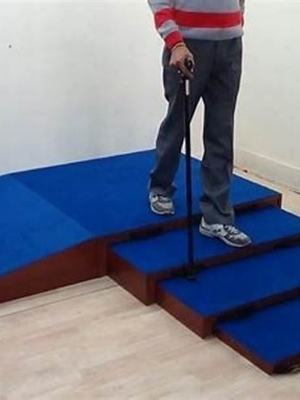
Curbs and ramp (without handrails)
Price 12000 INR / Piece
Minimum Order Quantity : 1 Piece
Power Source : Manual
Material : The product shown in the image is a curbs and ramp training set, and its primary material is wood. It is constructed from hardwood or plyboard and is often covered with an antislip safety mat.
Technology : Wall mounting curbs and ramp (without handrails)
Display : NIL
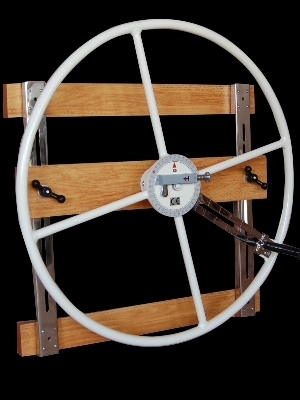
Shoulder Wheel
Price 6500 INR / Piece
Minimum Order Quantity : 1 Piece
Power Source : Manual
Material : Based on the visible components, the shoulder wheel in the image is made of wood, metal, and what appears to be a plastic or composite material for the wheel itself. Similar products are often constructed from materials such as iron, mild steel, stainless steel, and various plastics. Wheel: The large white wheel is likely made from a composite or plastic material.Mounting: The wallmounted frame consists of wooden boards.Hardware: The brackets, resistance mechanism, and other fittings are made of metal, such as stainless steel or iron.
Technology : Wall mounting Shoulder Wheel
Display : NIL
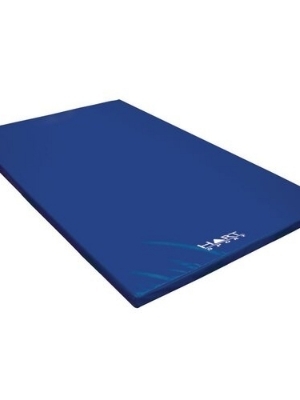
Activity Matterss For Occupational Therapy
Price 2000 INR / Piece
Minimum Order Quantity : 1 Piece
Power Source : Manual
Material : The product shown in the image is likely an activity or therapy mat. These types of mats are typically constructed from highdensity foam with a vinyl cover.
Technology : Wall Mounting Activity Matterss For Occupational Therapy
Display : Other
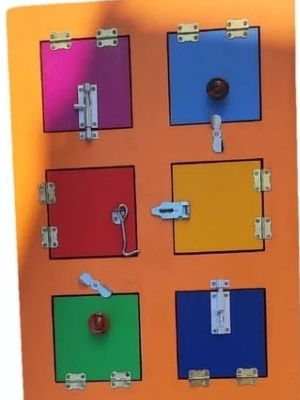
Door Latch Board
Price 3800.0 INR / Piece
Minimum Order Quantity : 1 Piece
Power Source : Other
Material : It is typically made from the following materials:Board/Frame: The main board and frame are often made of wood or a laminated board. Latches/Hardware: The various latches, hinges, and other hardware components are generally made of metal, such as stainless steel. Knobs: The round knobs appear to be made of materials like wood or plastic
Technology : Wall Mounting Door Latch Board
Display : Other

 Send Inquiry
Our Products

B-62, Aggarwal Colony, Rajdhani Park, Nangloi,New Delhi - 110041, India

Mr. Rajesh Pathak
(Proprietor)
Mobile :07971258299
 Send Inquiry
 Send SMS
Developed and Managed by Infocom Network Private Limited.
